
In the attention economy, brands are not competing only with other brands — they are competing with entertainment, culture, and emotions.
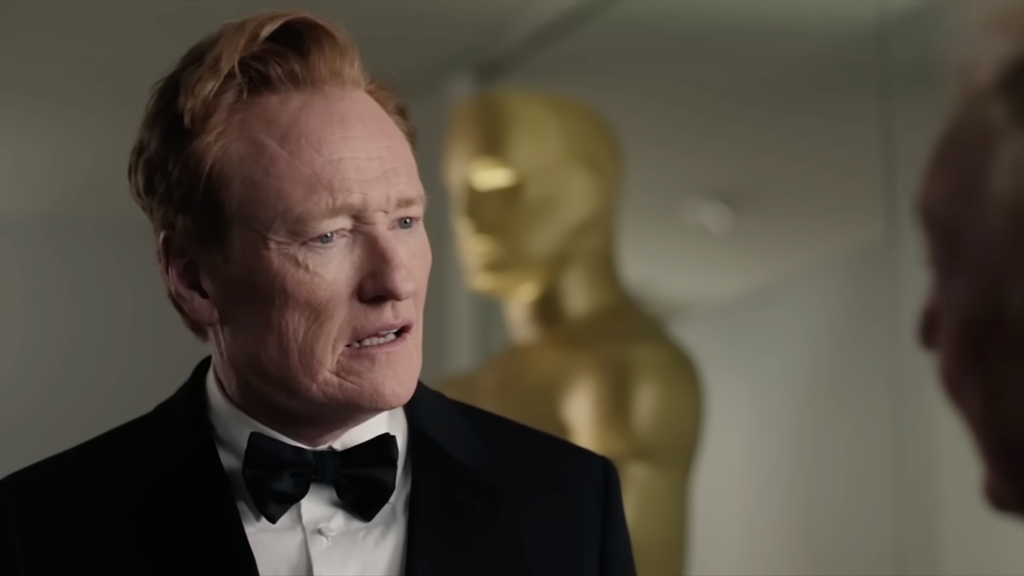
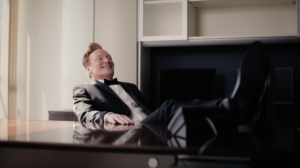
One of the most talked-about creative moments around the 2026 Oscars was a short comedic sketch inspired by the final scene of the film One Battle After Another.
It wasn’t a traditional advertisement.
There was no product pitch.
No direct call-to-action.
Yet it became memorable, shareable, and widely discussed.
Why?
Because it was built on storytelling.

The Power of Narrative Over Promotion
The sketch followed a simple but powerful narrative structure:
-
A positive promise (you’ve done such a great job — you’ll stay forever)
-
Subtle tension and unexpected signals
-
A cinematic twist
-
An exaggerated comedic resolution
This structure created emotional engagement within minutes.
Instead of delivering information, it delivered an experience.
This is one of the most important lessons modern brands can learn:
People rarely remember messages.
They remember stories.
Why This Moment Worked
1. It Used a Cultural Context
The sketch borrowed emotional equity from a film everyone was already talking about.
By connecting to a cultural moment, it instantly became relevant and timely.
For brands, this shows the value of contextual storytelling — aligning communication with what audiences are already feeling or discussing.
2. It Created Suspense and Curiosity
Great storytelling builds tension.
It allows the audience to anticipate, question, and emotionally participate.
This sketch gradually shifted from celebration to uncertainty, keeping viewers engaged until the final twist.
In marketing, this technique helps increase retention and shareability.
3. It Delivered a Memorable Twist
Unexpected endings create strong cognitive impact.
They force the brain to reprocess the story and make it easier to recall later.
For brands, a smart twist can turn simple content into viral content.
4. It Prioritized Experience Over Selling
There was no aggressive branding or promotional messaging.
Instead, the focus was on entertainment and emotional connection.
Modern audiences resist obvious advertising — but they willingly engage with meaningful experiences.
What Brands Can Learn From This
Build Stories, Not Just Campaigns
A campaign may generate impressions.
A story generates memory.
Brands that want long-term relevance must think like storytellers — creating arcs, characters, tension, and resolution.
Design Emotional Touch points
Whether through video, packaging, events, or digital interaction, brands should aim to create moments that audiences feel, not just see.
Emotional design increases recall, loyalty, and word-of-mouth.
Connect With Cultural Moments
The most powerful marketing often happens when brands participate in real-time cultural conversations.
This requires awareness, agility, and creative courage.
Surprise Your Audience
Predictability leads to invisibility.
A thoughtful unexpected element — humor, contrast, or narrative shift — can dramatically increase attention and memorability.
Final Thought
The Oscars sketch proved that even a few minutes of well-structured storytelling can create lasting impact without traditional advertising tactics.
For brands navigating an overcrowded digital landscape, the message is clear:
If you want to be seen, communicate.
If you want to be chosen, provide value.
But if you want to be remembered — tell a story.
At Racoob, we help brands turn ideas into meaningful narratives — building experiences that connect emotionally and stay in the audience’s mind.
If you’re ready to move beyond promotion and start building memorable brand stories, let’s talk.