

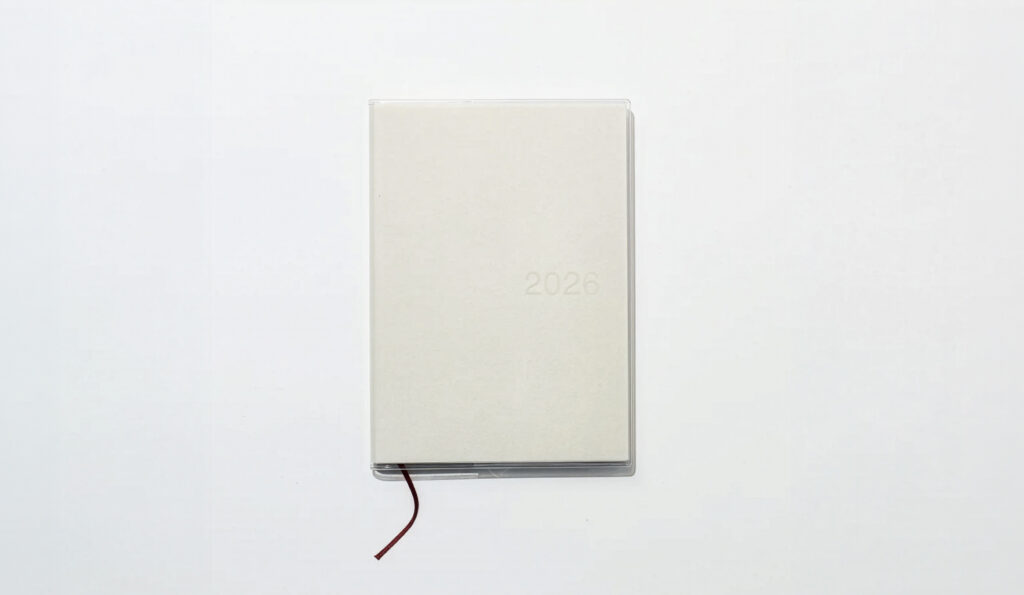
In a marketplace filled with loud logos, complex packaging, and aggressive advertising, some of the most successful brands are choosing a radically different path.
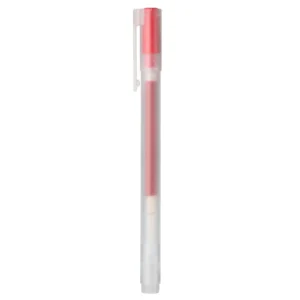
They design products that are simple, quiet, and almost anonymous.
Brands like MUJI have built global recognition not by shouting their identity, but by removing visual noise and focusing on quality, function, and emotional clarity.
This approach is often misunderstood as “minimal design.”
In reality, it is a deep strategic branding decision.
For modern businesses, understanding this strategy can unlock powerful opportunities in product development, packaging, retail experience, and long-term brand positioning.
What Is “No-Brand” Branding?
“No-brand branding” does not mean the absence of brand.
It means branding through values instead of visuals.
Instead of relying on large logos, bold graphics, or trend-driven aesthetics, these brands communicate through:
-
product quality
-
material honesty
-
functional design
-
neutral visual language
-
consistent experience
The product itself becomes the message.
Customers are not persuaded by status signals.
They are convinced by trust, usability, and quiet confidence.
The Strategic Philosophy Behind Simple Design
1. Simplicity Reduces Friction
Every additional decorative element adds:
-
production complexity
-
higher costs
-
visual distraction
-
potential inconsistency
When brands simplify design intentionally, they create:
-
faster decision-making for customers
-
stronger perceived clarity
-
easier scalability across product lines
Minimal design is not about being “empty.”
It is about being precise and intentional.
2. Quality Becomes the Core Brand Asset
When logos and graphic storytelling are reduced, product quality becomes the primary differentiator.
This forces brands to focus on:
-
better materials
-
thoughtful ergonomics
-
durability
-
practical innovation
Customers begin to associate the brand with reliability rather than image.
Over time, this builds deep brand equity based on performance.
3. Neutral Design Creates Global Relevance
One of the most powerful advantages of simple, logo-free products is universal appeal.
Neutral aesthetics travel well across:
-
cultures
-
demographics
-
lifestyle segments
-
retail environments
This makes expansion easier and reduces the need for constant visual redesign.
Instead of chasing trends, brands create timeless utility.
4. Anti-Status Positioning Attracts Modern Consumers
Today’s consumers are increasingly aware of over-consumption and artificial premium positioning.
Many are looking for brands that signal:
-
authenticity
-
sustainability
-
mindfulness
-
transparency
“No-brand” design communicates these values without needing to state them explicitly.
It creates emotional relief in a noisy commercial environment.
5. Experience Replaces Logo Recognition
Successful simple brands invest heavily in environmental branding and customer experience.
They build recognition through:
-
consistent store layouts
-
material palettes
-
packaging systems
-
product organization
-
calm retail atmospheres
Customers recognize the brand not by a logo on the product —
but by how the brand makes them feel.
This is a more sophisticated and durable form of identity.
The Business Benefits of Minimal Branding
Companies that adopt this strategy can gain:
Stronger Perceived Value
Simple design often signals confidence and maturity.
Customers interpret minimalism as intentional premium positioning.
Lower Production Waste
Reducing unnecessary components supports both sustainability goals and cost efficiency.
Clear Product Architecture
When design language is consistent and restrained, product ecosystems feel more organized and scalable.
Longer Product Lifecycles
Timeless aesthetics reduce the need for constant redesign and rebranding.
Deeper Customer Loyalty
Trust built through quality and usability creates repeat purchase behavior.
Why This Strategy Is Growing in 2026 and Beyond
Digital overload, fast fashion cycles, and aggressive advertising have created a new consumer mindset.
People are no longer only buying products.
They are buying clarity.
Simple brands represent:
-
mental calm
-
lifestyle balance
-
intentional consumption
-
long-term value
In this environment, quiet brands often outperform louder competitors.
Because when everything screams for attention,
the brand that whispers becomes memorable.
How Businesses Can Apply the “No-Brand” Strategy
You do not need to remove your logo completely to benefit from this philosophy.
Instead, consider:
-
simplifying packaging structures
-
reducing visual clutter
-
prioritizing material storytelling
-
building consistent product systems
-
designing retail or digital experiences that feel calm and structured
-
focusing marketing narratives on function and purpose
Minimal branding works best when strategy, product design, and customer experience are aligned.
It is not a visual trend.
It is an operational mindset.
Final Thought
The future of branding is not always louder campaigns or bigger logos.
Sometimes, the strongest brands are those confident enough to let their products speak quietly.
Businesses that understand this shift can build brands that feel:
-
more honest
-
more human
-
more relevant
-
and more sustainable in the long term
At Racoob, we help companies design brand systems where simplicity becomes a competitive advantage — from product and packaging strategy to customer experience and market positioning.
Because in modern markets, clarity is no longer minimal.
It is powerful.